A website for a foreign market needs a separate, indexable version for each language with hreflang tags, local search phrases rather than literal translation, and the payment and delivery methods buyers in that country expect.
How we do it
01
Market
What and how customers in that country search.
02
Structure
Language versions, URLs, hreflang.
03
Content
Localisation, not literal translation.
04
Sales
Currencies, payments, delivery, legal texts.
Most common mistakes
Machine translation without editing – Google and customers can tell.
A language switcher without separate URLs – Google indexes only one language.
The same keywords for every country – a German searches differently from a Lithuanian.
No local payment methods – carts get abandoned.
Our experience
Lithuania is our main market, but we also build multilingual websites and stores for EU buyers, and in Canada we work through Mingo Agency.

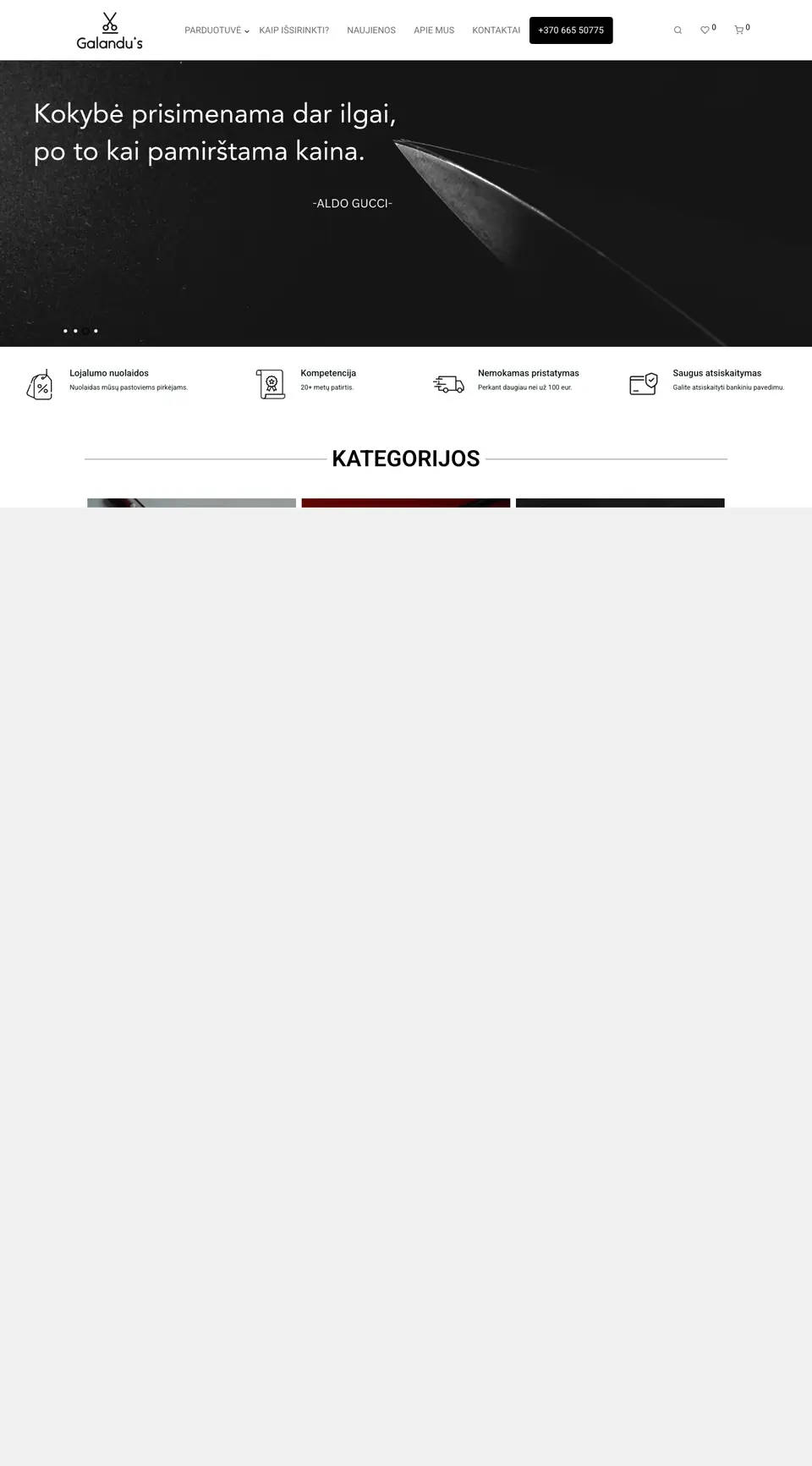 Galandus.lt
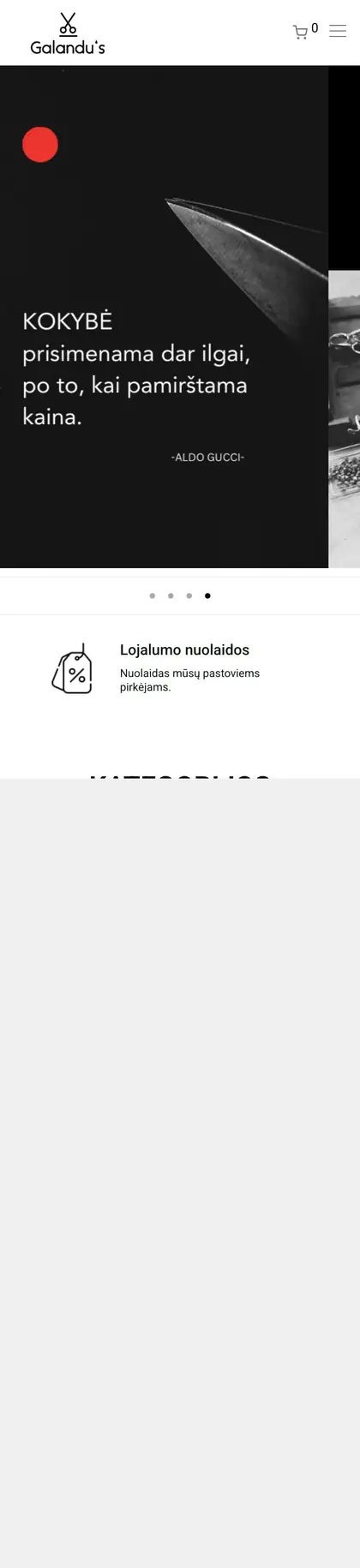
Multilingual online store with a sharpening service
Galandus.lt
Multilingual online store with a sharpening service